By Savoa Online StaffUpdated September 202610 projects
Construction in the United States has been on a long run of growth — Chicago alone saw building activity climb more than 20 percent in 2016, a year in which One Bennett Park became the city's most expensive project at $248.18 million. On paper, a number like that is simply the cost of an ambitious tower.
In practice, the number that gets a landmark approved is rarely the number that finishes it. Some projects are completed staggeringly late. Others run away from their budgets entirely. A few are never finished at all. Here are ten that broke the bank, counted down to the one that started the argument.
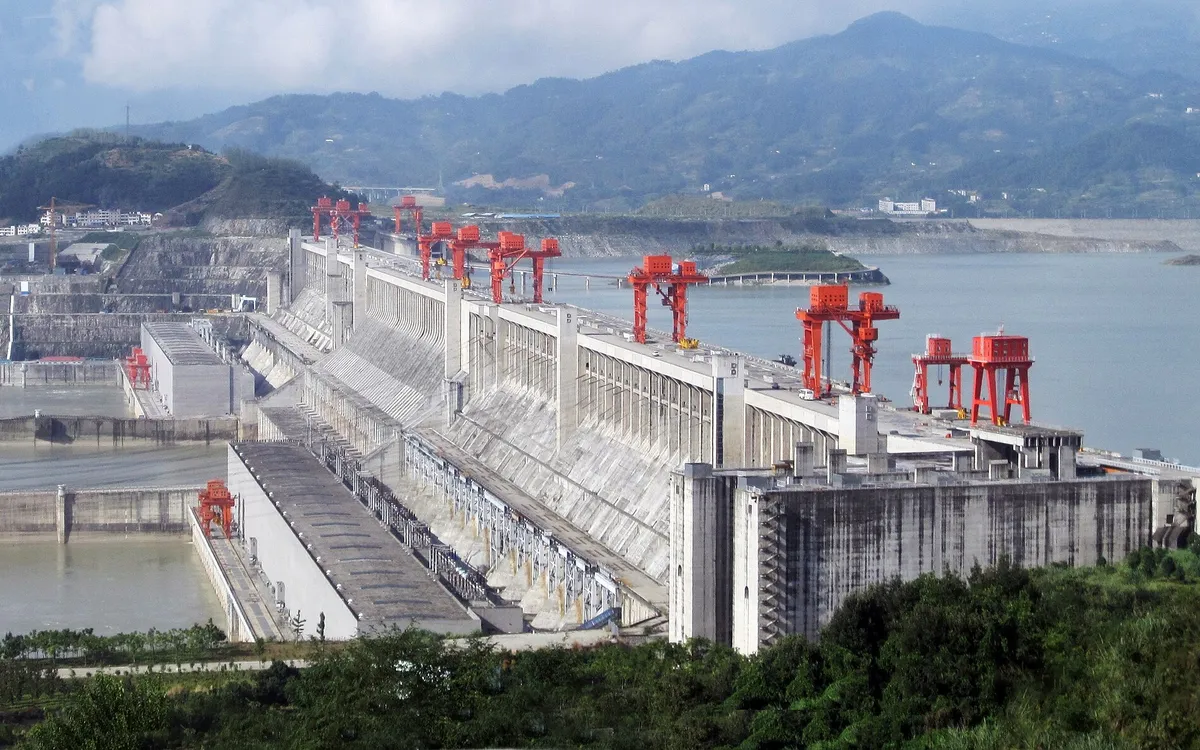
Approved in 1992, the scheme bundled three enormous jobs into one: a dam for flood control, a giant lock for carrying ships up and down river, and 26 hydroelectric power generators. The predicted $8.35 billion became $37 billion by completion, driven in large part by the relocation of 1.3 million residents whose homes stood where the reservoir would be. The environmental bill arrived afterwards — floating layers of algae and refuse in the reservoir, and banks left prone to landslides.
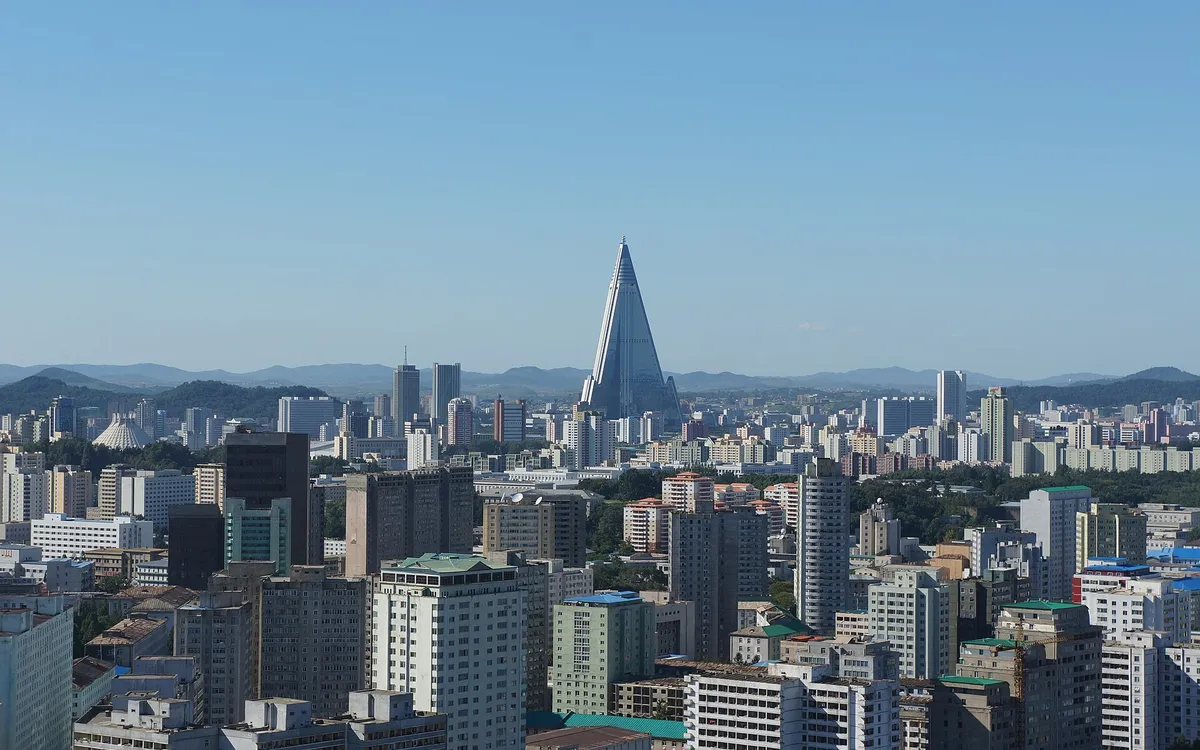
Kim Il-Sung began this 105-storey, pyramid-shaped tower in 1987, in part to answer the attention South Korea was about to receive from the coming Olympics. When the Soviet Union collapsed in the early 1990s, the funding behind it went with it. The $750 million structure still dominates the skyline as the world's tallest unoccupied building — a permanent monument to what competitive excess costs when the money stops.
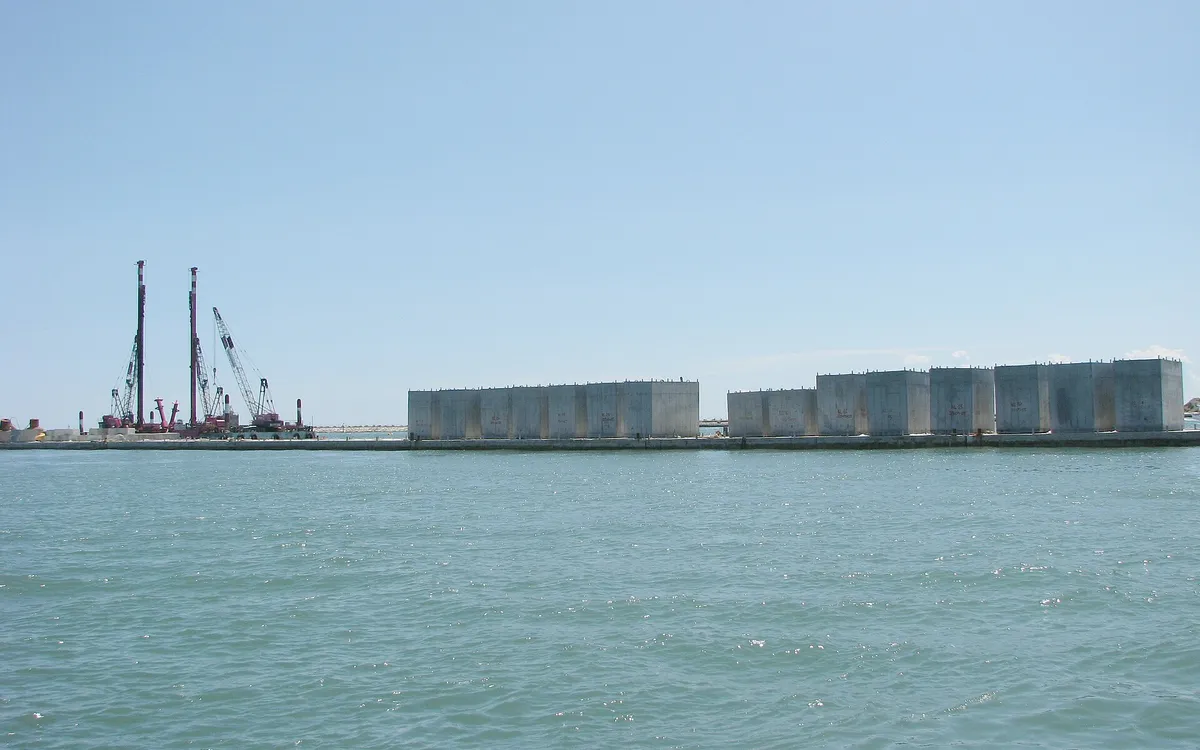
Announced in 1988 to hold back the water from a city sinking at roughly 2mm a year, MOSE is a line of 78 hinged metal gates, each weighing up to 300 tons, laid across the lagoon's inlets. The estimate climbed from $1.7 billion to $8.1 billion. Engineering was only part of it: in June 2014 the mayor of Venice and 34 officials were arrested on bribery charges connected to the project.
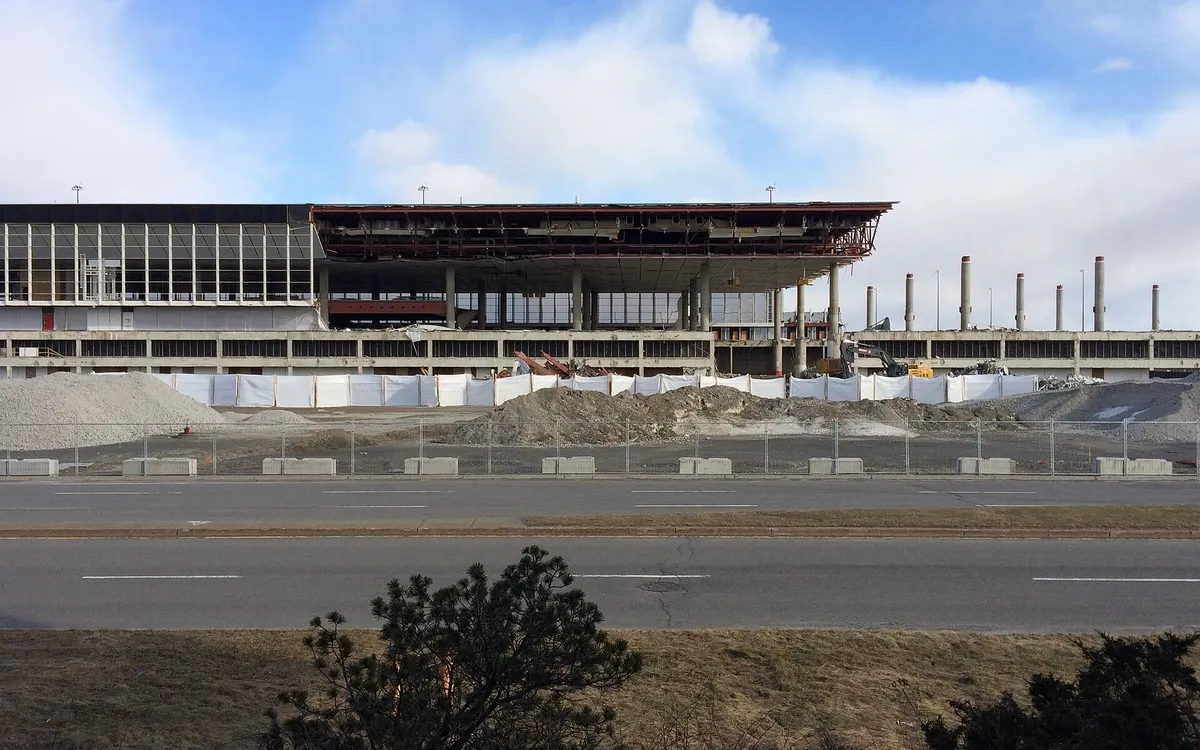
Announced in 1969, Mirabel seized 100,000 acres of private land and displaced nearly 2,000 residents, at a land cost of $140 million — close to eight times the original estimate. It opened in 1975 with build costs anticipated at $276 million, and with road and rail links that never made it easy to reach. By 1988 it was handling just 2.5 million passengers a year. It closed for good in 2002 and still cost the government $28 million a year to maintain while empty. Demolition began in 2014.
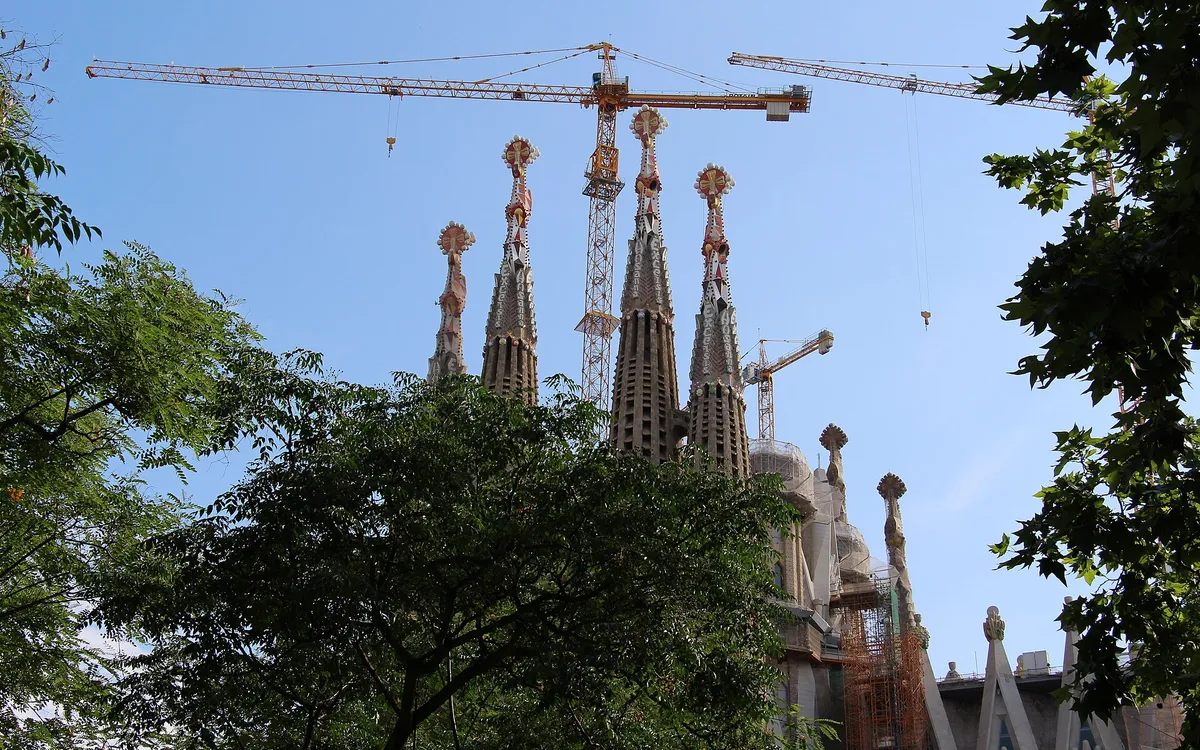
The one entry whose costs cannot be stated accurately — only that they are certainly substantial. Antoni Gaudí began work in 1883 on towers crowned with fruit sculptures and a central nave meant to read like a forest. When a streetcar struck and killed him in 1926, the building was only 15% complete. The Spanish Civil War cost it more than time: shelling destroyed his notes and designs. Work restarted in 1952 and has not stopped since. The building committee has suggested completion by 2026, the centenary of Gaudí's death, though that may slip a further two years.
Some projects are completed staggeringly late. Others run away from their budgets entirely. A few are never finished at all.
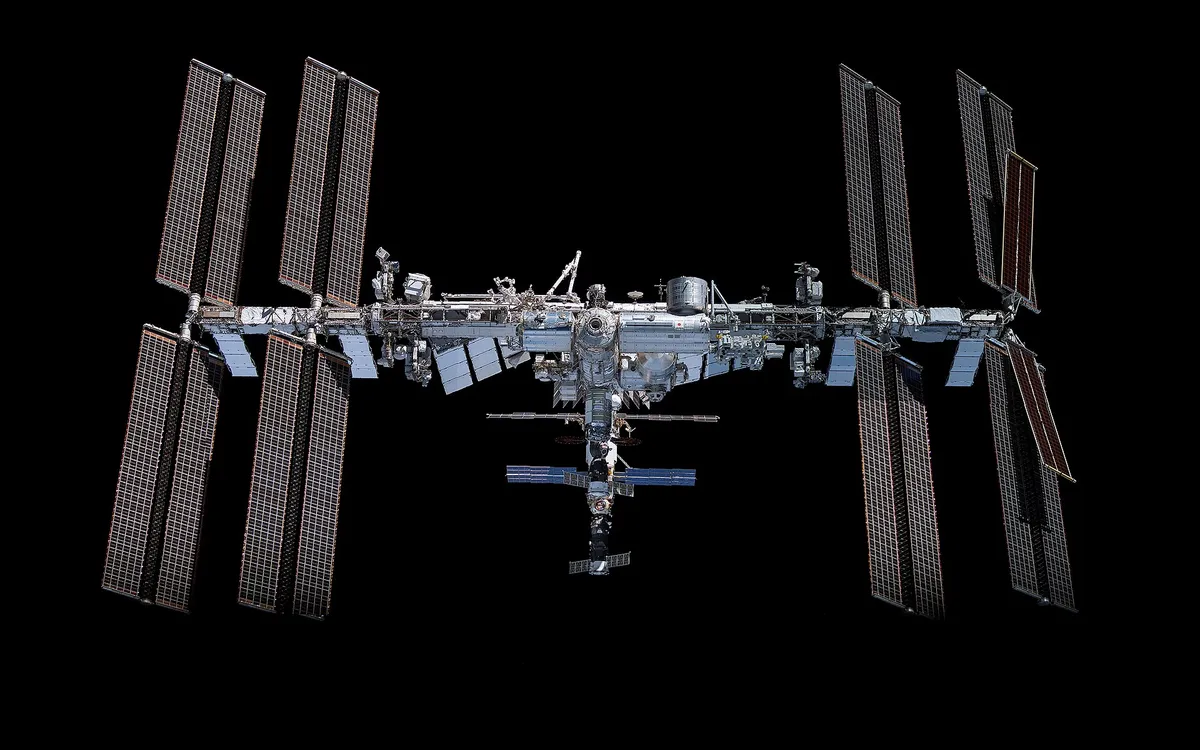
A joint effort between Russia, Europe, Japan, Canada and the United States, the ISS was already four years behind schedule when assembly began in 1998. The original $17.4 billion estimate finished at roughly $160 billion, of which the US contributed about $100 billion, and it still costs American taxpayers around $3 billion a year to operate. It remains the single most expensive structure ever built. In January 2014 the Obama administration confirmed operations would run to at least 2024.
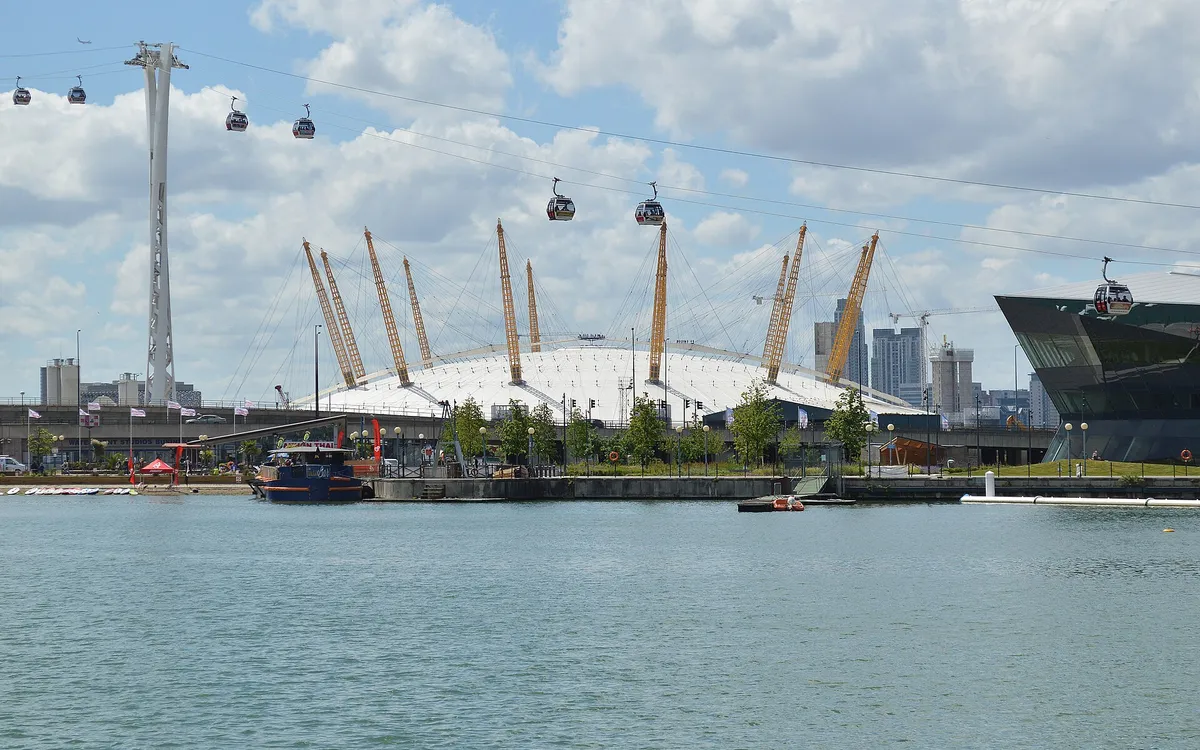
Controversial from its mid-1990s inception, the venue for Britain's millennium celebrations saw costs creep steadily upward through planning and construction, finishing at £789 million against a £758 million budget. The deeper problem was the other side of the ledger: ticket sales came in well below estimates. A £600 million renovation turned it into the 20,000-seat O2 Arena in 2007, and it is now a very popular and lucrative venue — which is its own kind of lesson.
03
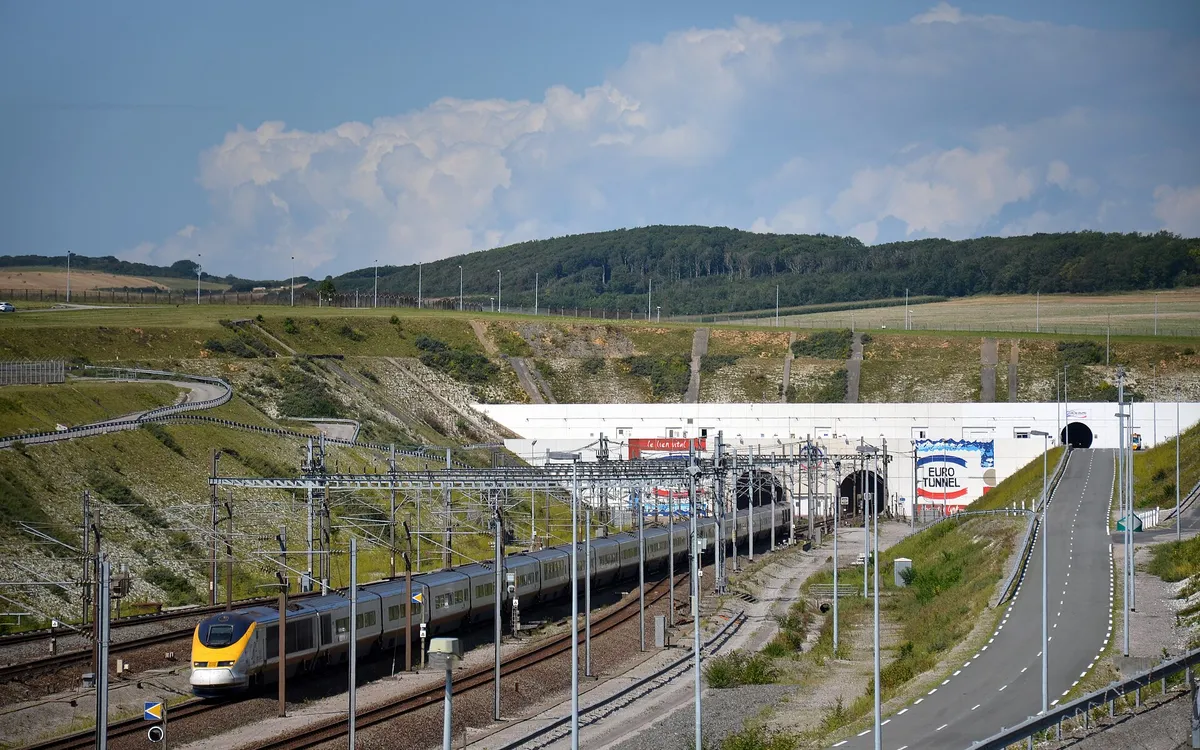
The Chunnel
31 miles beneath the English Channel, England to France
Six years of work finished the tunnels in 1994 at $21 billion — 80% more than projected — with a further $13.8 billion needed for the rail link into London. Because the project was privately funded, the overrun landed on shareholders, who lost money and voted the board out in 2004. Restructuring finally produced dividends by 2009. The tunnel now moves people and freight between the United Kingdom and France in 35 minutes, and more than 325 million people have used it since it opened.
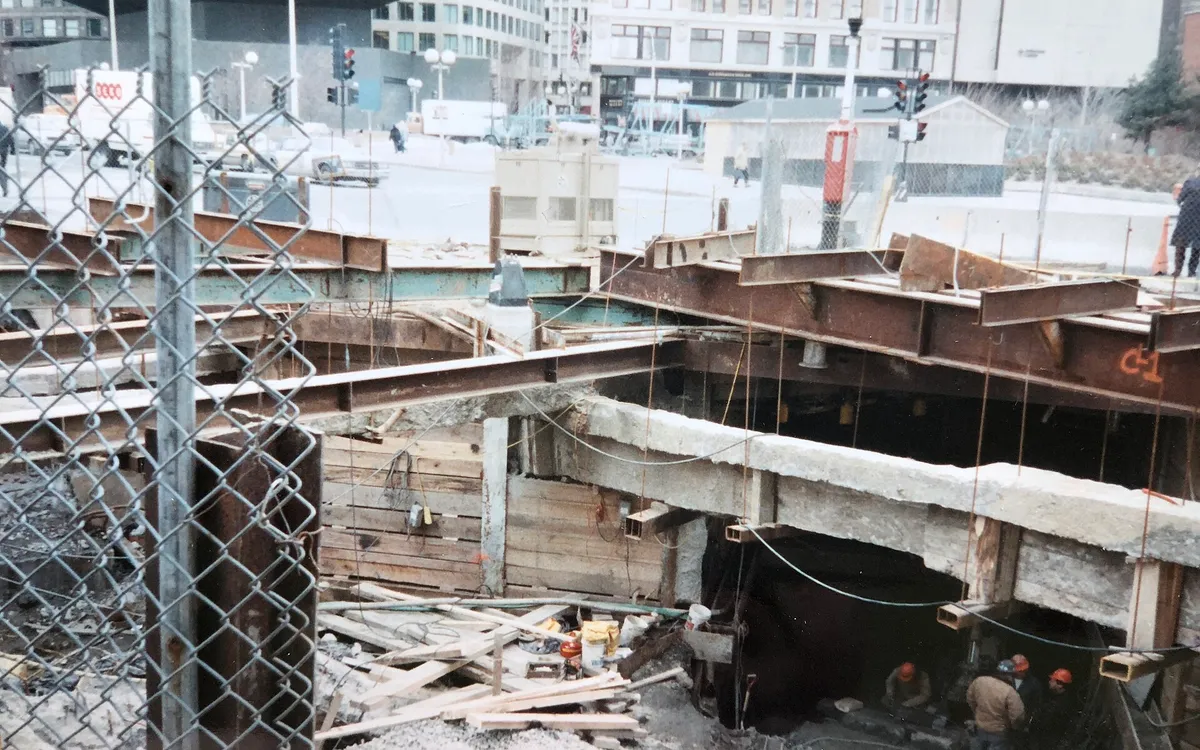
By 1991 Boston's traffic was backing up ten hours a day and costing the local economy $500 million a year. The Central Artery/Tunnel Project answered it by replacing a six-lane elevated highway with eight to ten lanes underground, beneath a city that had to keep working throughout. It was scheduled to finish in 1998 and finished in 2007, nearly a decade late, at $14.8 billion against a $2.6 billion prediction — closer to $22 billion once interest is counted. Traffic moves and the city looks better for it, but living in the fast lane certainly isn't cheap.
Traffic moves and the city looks better for it — but living in the fast lane certainly isn't cheap.
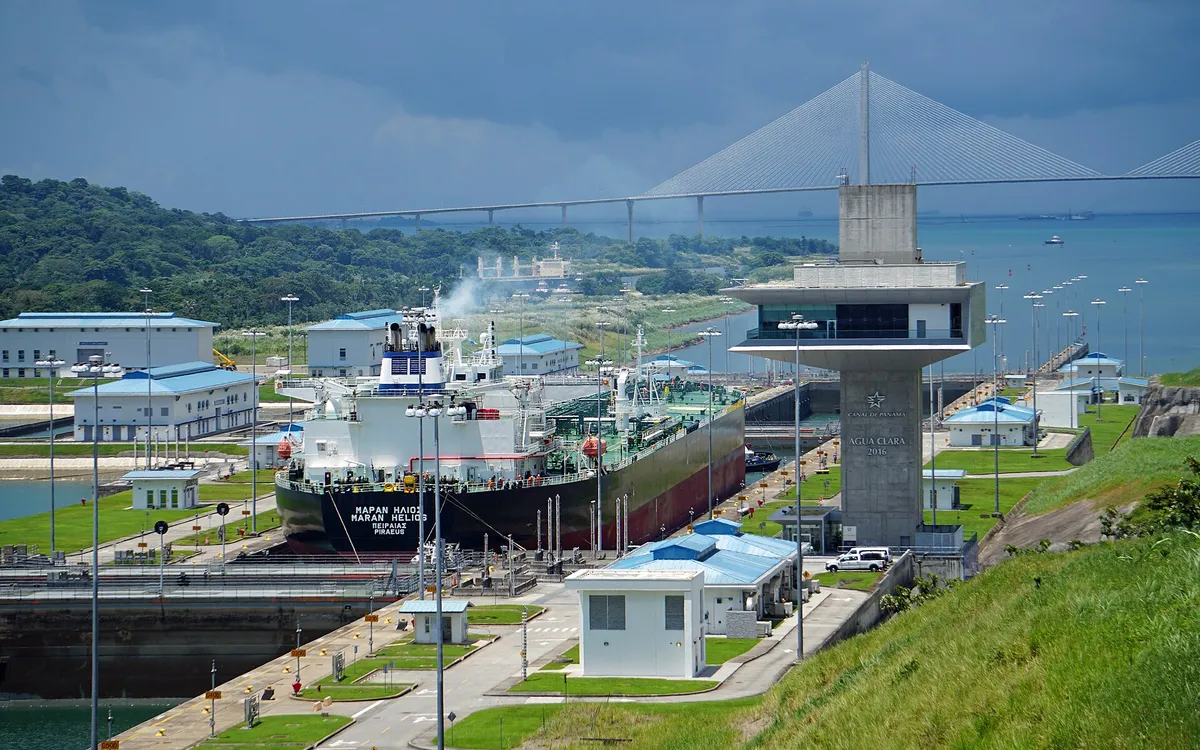
The plan was to double the canal's cargo capacity, and the tension started almost as soon as the work did. In early 2014 a dispute over a $1.16 billion cost overrun between the Panama Canal Authority and the European construction firms building it stopped work for two weeks. Negotiations produced stopgap financing, construction resumed, and the expanded canal has been operating commercially since June 2016 — at $5.3 billion, some 30% above the original estimates.
Why Budgets Break
Read the ten together and the same few forces keep surfacing. Land and people come first: Three Gorges had to move 1.3 million residents, and Mirabel had to buy 100,000 acres, and in both cases the human cost of clearing a site outran the engineering estimate attached to it.
Then there is the problem of building something nobody has built before. The ISS, the Chunnel and MOSE all required methods to be invented on the way, and an estimate written before the method exists is a guess dressed as a figure. Politics does the rest — an Olympic deadline in Pyongyang, a millennium deadline in London, criminal charges in Venice. None of that appears on a bill of quantities, and all of it ends up in the final number.
What the Pattern Teaches
The overruns that hurt most are not the ones that cost the most. The Millennium Dome came in just 4% over budget and is still remembered as a failure, because the revenue never arrived; the Big Dig ran roughly six times its estimate and is now regarded as money reasonably spent. What separates them is not discipline during construction but honesty at the start — about what the thing will be used for, and by how many.
The useful question about a landmark budget is therefore not whether it will be exceeded, but by how much and for what. A number that moves because ground conditions were worse than surveyed is a different animal from one that moves because the scope was never settled. The projects above have both kinds, and the difference is visible only in hindsight.
Conclusion
Every project on this list was approved with a number, and every one of them finished with a different number — or, in Pyongyang and Barcelona, has yet to finish at all. That gap is not a sign that something went wrong so much as a reminder of what these builds actually are: first attempts at things at a scale nobody has quite managed before.
The buildings and structures that break the bank tend to be the ones still standing decades later, carrying traffic, water, ships or people. The bill arrives once. What it bought stays.
Sources and credits. Project figures and narratives adapted from Trimble Construction, “10 Big Budget Buildings That Broke the Bank”. Percentage overruns are calculated from the estimate and final-cost figures given there. Project photographs are from Wikimedia Commons and are credited beneath each image under the licence shown. General information only — not professional or financial advice.
1Contact2Result
Want More Building Stories Like This?
Enter your email and Savoa Online will send you more stories about architecture, engineering and the money behind big builds.
No spam. Unsubscribe whenever you like.
Thank you!
You're on the list. We'll send new building stories your way.